Winter Wonders & Woes: Trucking Through Colorado's Mountain Passes
Reagan Moore
0 Comments
Winter Wonders & Woes: Trucking Through Colorado's Mountain Passes
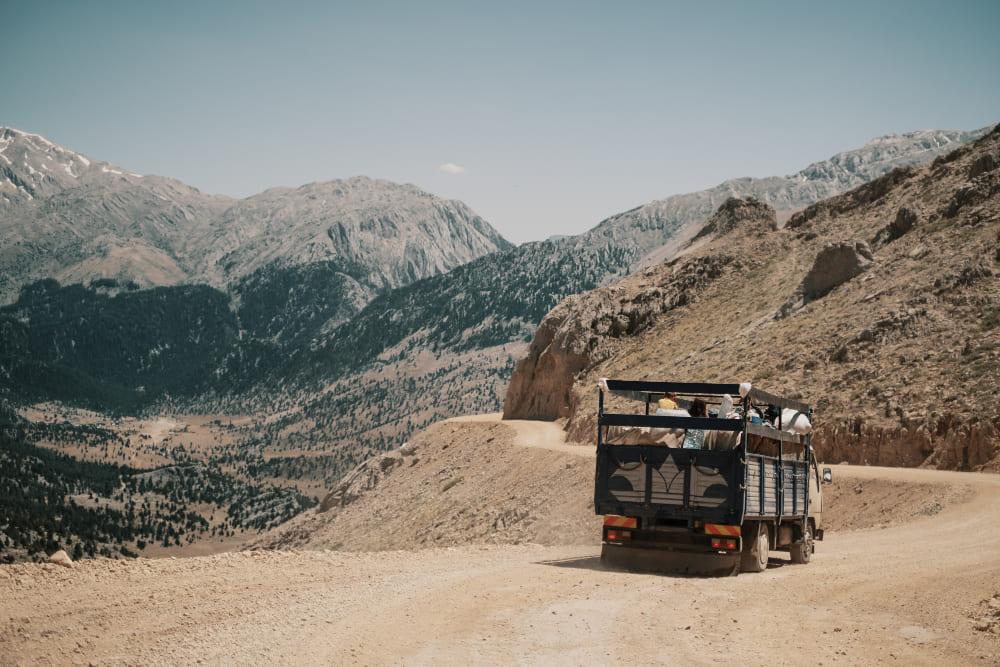
Colorado's majestic mountain passes present both breathtaking beauty and formidable challenges for the trucking industry, especially during the harsh winter months. The intricate network of highways, often winding through high altitudes, demands exceptional skill and preparation from drivers. Navigating these routes with valuable cargo requires a deep understanding of weather patterns and road conditions, making every journey a testament to resilience and expertise.
For companies engaged in heavy hauling and long-distance transport, the winter season in Colorado is a critical period. It's not merely about moving goods; it's about ensuring safety, timeliness, and the integrity of often-sensitive freight. The dramatic shifts in temperature, sudden blizzards, and icy roads can turn a routine trip into a high-stakes operation, necessitating meticulous planning and robust operational protocols.
The economic backbone of many regions relies heavily on efficient supply chains, and when these routes traverse challenging terrains like Colorado's mountains, the stakes are even higher. Businesses depend on reliable freight hauling services to keep their operations running smoothly, whether it's delivering construction materials or essential consumer goods. This dependency underscores the vital role of a capable trucking company in maintaining regional commerce.
Successfully traversing these passes in winter is a hallmark of a truly professional operation. It involves more than just powerful trucks; it requires experienced drivers, advanced equipment, and a comprehensive understanding of logistics. The ability to manage risks associated with extreme weather, from chain requirements to sudden road closures, is paramount for any firm committed to dependable Colorado transport.
The unique environment of Colorado's high country demands a specialized approach to logistics hauling. It's a realm where precision and foresight prevent costly delays and potential hazards. Every mile driven through a snow-covered pass is a reflection of a trucking company's commitment to excellence and its capacity to overcome the most severe environmental obstacles, safeguarding both cargo and personnel.
Beyond the immediate challenges, winter trucking in Colorado shapes the very fabric of regional logistics. It influences scheduling, equipment choices, and driver training programs. Companies like Knight Hauling Services LLC. understand that investing in superior preparation and continuous adaptation is not just good practice, but an absolute necessity for sustained success in this demanding operational landscape.
Industrial Freight Delivery: Essential for supplying remote construction sites or energy projects in mountainous areas. Pros include direct delivery to challenging locations; limitations involve strict weight restrictions and potential weather-induced delays.
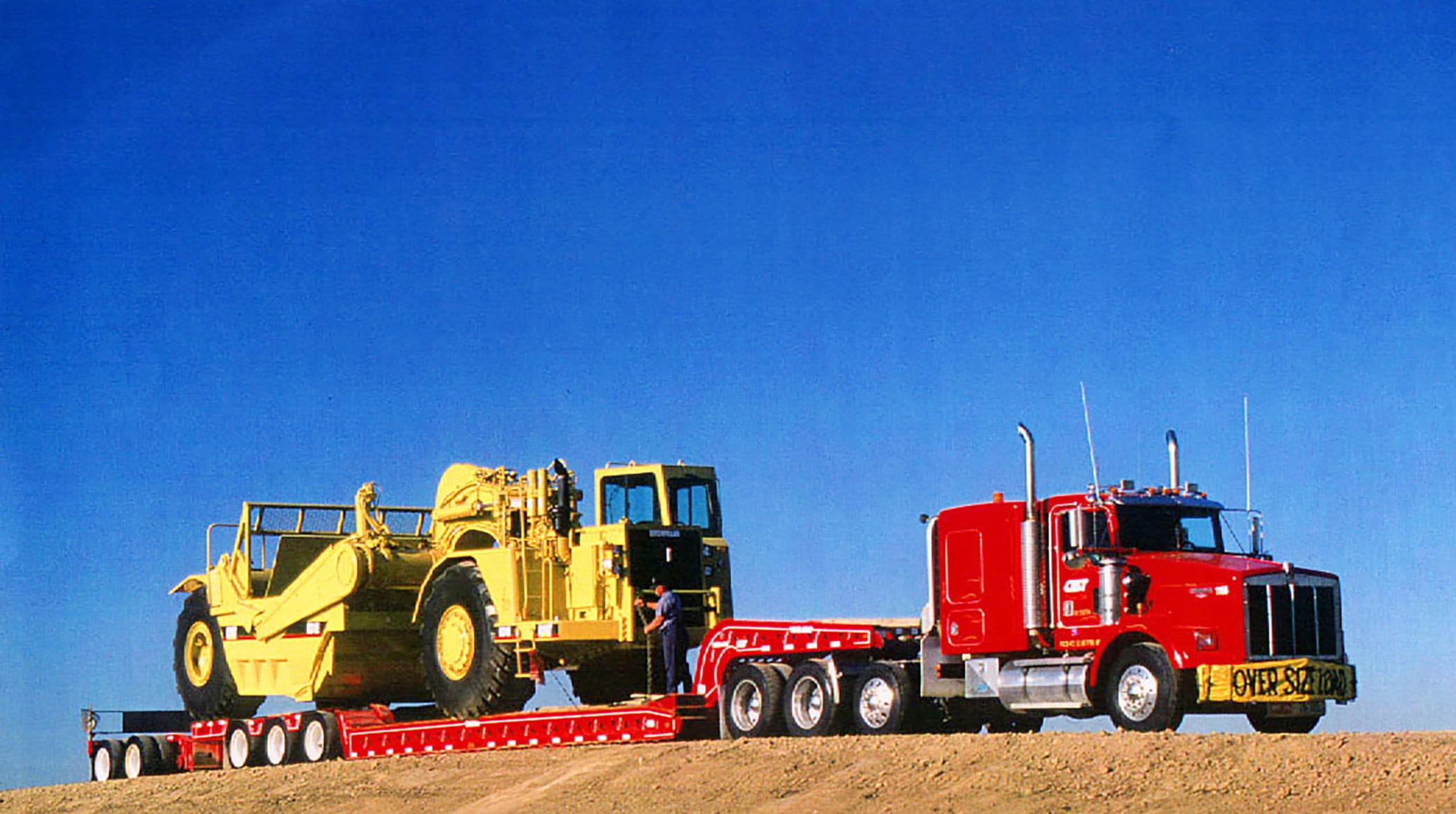
Oversized Loads Transport: Moving large machinery or modular components through narrow, winding passes. Benefits from specialized flatbed services; drawbacks include requiring extensive permits, pilot cars, and very specific weather windows for safe passage.
Logistics Hauling for Retail & Manufacturing: Ensuring consumer goods and raw materials reach mountain communities and production facilities. Offers vital supply chain continuity; however, faces increased fuel consumption and higher risk of road closures impacting delivery schedules.
Experts in the field often highlight the critical role of driver experience in Colorado's winter conditions. A seasoned professional driver possesses an intuitive understanding of how different types of snow and ice affect traction, and when to apply chains. This isn't knowledge that can be solely gained from a manual; it's forged through years of practical application, making experienced personnel an invaluable asset.
There's a strong consensus that investment in state-of-the-art equipment is non-negotiable. Modern trucks equipped with advanced braking systems, traction control, and powerful engines are essential. However, some argue that even the best technology is only as good as the maintenance behind it. Regular, rigorous inspections are crucial to prevent mechanical failures in sub-zero temperatures, which can have catastrophic consequences.
Discussions often revolve around the optimal balance between safety and delivery timelines. While safety is universally prioritized, the economic pressures to meet deadlines can be immense. This tension requires robust decision-making frameworks, often involving real-time weather monitoring and flexible scheduling. Companies must be prepared to delay a shipment rather than risk a hazardous journey, even if it incurs additional costs.
Another point of debate centers on the effectiveness of mandatory chain laws. While these regulations are designed to enhance safety, some drivers argue that they can be cumbersome and time-consuming, especially for those unfamiliar with the process. However, the overwhelming evidence suggests that chains significantly reduce accidents on icy inclines, making them a necessary, albeit inconvenient, safety measure for industrial freight.
The integration of predictive analytics and AI in route planning is gaining traction. While still nascent, the potential for these technologies to forecast localized weather conditions and suggest optimal routes or timing windows is significant. This could revolutionize how Knight Hauling Services LLC. and other trucking company operations approach winter logistics, moving beyond reactive measures to proactive risk mitigation.
Navigating Colorado's mountain passes in winter is a complex endeavor that demands a blend of human expertise, advanced technology, and unwavering commitment to safety. The challenges are significant, but with proper preparation and a professional approach, they are entirely surmountable. The ability to consistently deliver goods under such conditions truly distinguishes a reliable logistics partner.
For companies operating in this demanding environment, continuous investment in driver training, equipment upgrades, and sophisticated logistical planning is not merely an option, but a necessity. The resilience shown by professional drivers and the strategic foresight of management ensure that vital supply lines remain open, even when nature presents its most formidable obstacles.
Ultimately, the "Winter Wonders & Woes" of Colorado trucking underscore the profound importance of robust operational integrity. It's a testament to the dedication required to connect communities and industries, ensuring that the flow of commerce continues unimpeded, regardless of the seasonal extremes. This commitment defines excellence in the world of heavy transport.
Leave a Comment
Latest Posts
 Knight Hauling Services LLC
Business Name: Knight Hauling Services LLC
Company Number: 20251533231
Company Type: Domestic Limited Liability Company
Jurisdiction of Formation: Colorado
Our Services
© All Rights Reserved