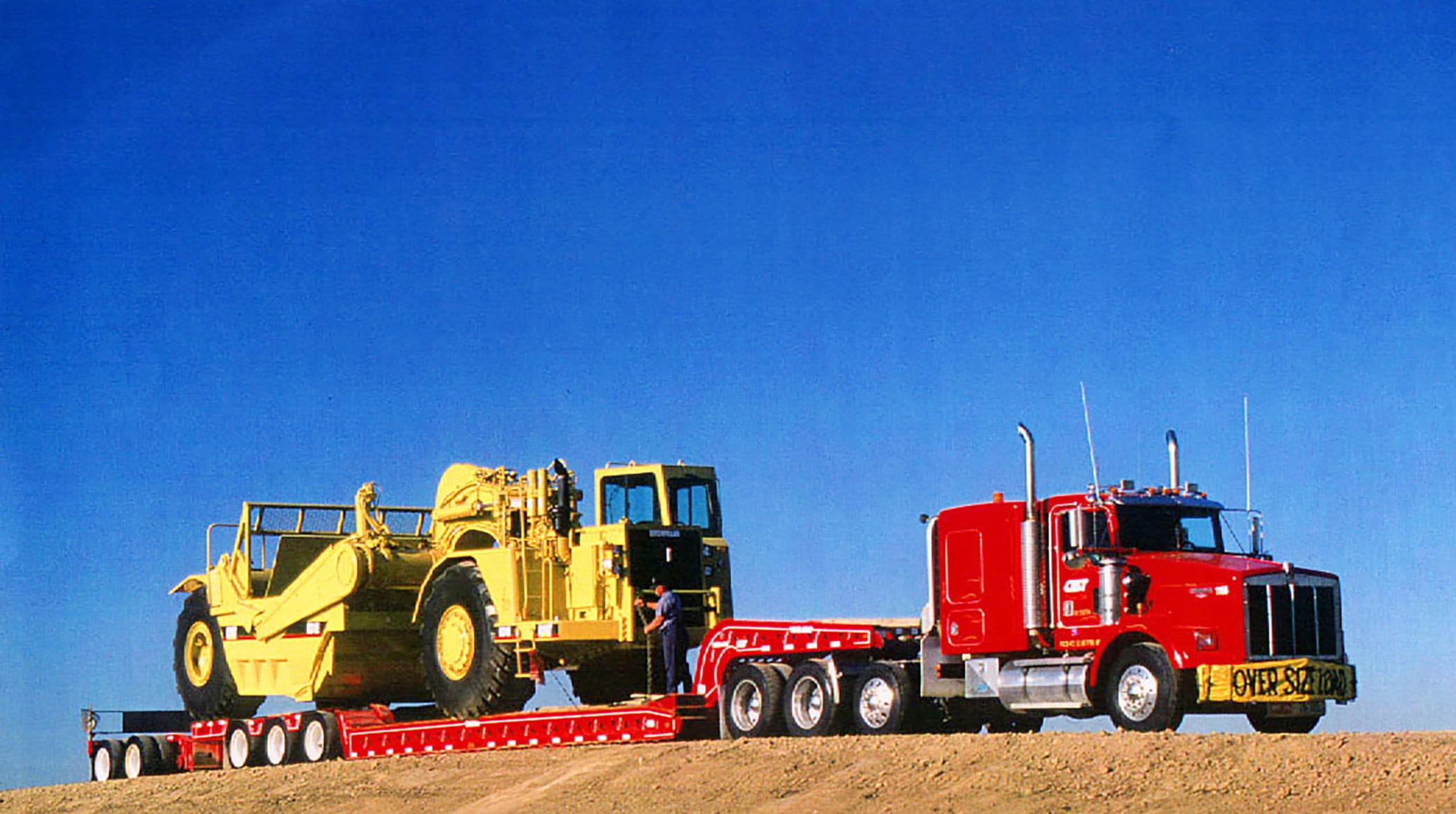
The Road Ahead: Innovations Shaping the Future of Long-Haul Trucking

Adam Stewart
0 Comments
The Road Ahead: Innovations Shaping the Future of Long-Haul Trucking
The trucking industry is undergoing a profound transformation, driven by rapid technological advancements. This isn't merely incremental; it's a fundamental reshaping of how goods move across vast distances. For companies specializing in heavy hauling and long-distance transport, understanding these shifts is crucial for future viability. The road ahead promises unprecedented efficiency and sustainability, redefining traditional operational models.
Global supply chains and the relentless expansion of e-commerce fuel an ever-increasing demand for reliable freight hauling. Meeting this escalating need while addressing critical concerns like environmental impact and persistent driver shortages requires innovative solutions. The future of our industry, especially for managing oversized loads and complex logistics, hinges on proactive adoption of groundbreaking technologies that redefine operational paradigms.
A significant wave of innovations is already impacting the sector, from sophisticated advanced driver-assistance systems (ADAS) to electric and hydrogen fuel cell powertrains, and the promising concept of truck platooning. Many are actively being piloted and integrated, signaling a new, dynamic era for professional drivers and every major trucking company. Adapting to these advancements will soon differentiate industry leaders, ensuring operational excellence and competitive edge.
These transformative technologies offer immense potential to optimize every facet of trucking operations. They promise significant reductions in fuel consumption through smarter routing and aerodynamic designs, while simultaneously enhancing overall road safety through predictive analytics and automated functions. For specialized operations like flatbed services, where precision and reliability are paramount, these innovations offer unparalleled control and operational transparency, minimizing risks.
While the benefits are compelling, the transition presents its own set of challenges: substantial investment for infrastructure upgrades, evolving regulatory frameworks, and the imperative to upskill professional drivers. Yet, for forward-thinking organizations, these challenges also present unparalleled opportunities to innovate and lead in the domain of logistics hauling. Knight Hauling Services LLC. is committed to exploring and integrating cutting-edge technologies to enhance service delivery and maintain leadership in industrial freight.
Autonomous Driving: Enhances safety and operational hours on long-haul routes. Pros: Reduces driver fatigue. Limitations: Faces regulatory hurdles and integration complexities.
Electric & Hydrogen Trucks: Lowers emissions and operating costs for regional transport. Pros: Environmentally friendly. Limitations: Needs robust charging infrastructure.
Advanced Telematics: Provides real-time data for fleet optimization and predictive maintenance. Pros: Improves efficiency. Limitations: Requires significant initial investment.
Experts widely agree autonomous driving will revolutionize long-haul trucking. Dr. Elena Petrova, a logistics futurist, states, "Platooning and Level 4 autonomy on designated routes will become standard, improving fuel economy and safety." This allows professional drivers to focus on complex first and last-mile deliveries, redefining their role in heavy hauling.
The powertrain debate, electric versus hydrogen, is vibrant. Electric trucks suit regional use due to charging. For true long-distance transport, hydrogen fuel cells gain traction. Mark Johnson, an analyst, notes, "Hydrogen offers range and rapid refueling electric batteries lack for freight hauling, but infrastructure is nascent."
Infrastructure development is a significant contention. Electric and hydrogen fleets demand massive investment in charging/refueling stations, crucial for Colorado transport. Some advocate public-private partnerships; others trust market forces. This 'chicken-and-egg' scenario hurdles widespread implementation, impacting even specialized flatbed services.
Workforce impact is actively discussed. Autonomous trucks might reduce driver needs on certain routes, yet a persistent shortage exists. Many believe technology will augment drivers, shifting roles to logistics or specialized industrial freight tasks. Retraining and upskilling programs are vital for this evolution.
Innovations in long-haul trucking represent a fundamental paradigm shift. Companies proactively embracing these changes, investing in technology and their professional drivers, will thrive. This journey demands adaptability and strategic foresight to capitalize on immense opportunities.
The goal remains constant: deliver goods safely, efficiently, and sustainably. Tools and methods are evolving rapidly, solving long-standing challenges in heavy hauling and logistics. Knight Hauling Services LLC. leverages innovation to enhance service quality, ensuring reliable freight hauling for every client.
Leave a Comment
Latest Posts

 Knight Hauling Services LLC
Business Name: Knight Hauling Services LLC
Company Number: 20251533231
Company Type: Domestic Limited Liability Company
Jurisdiction of Formation: Colorado
Our Services
© All Rights Reserved