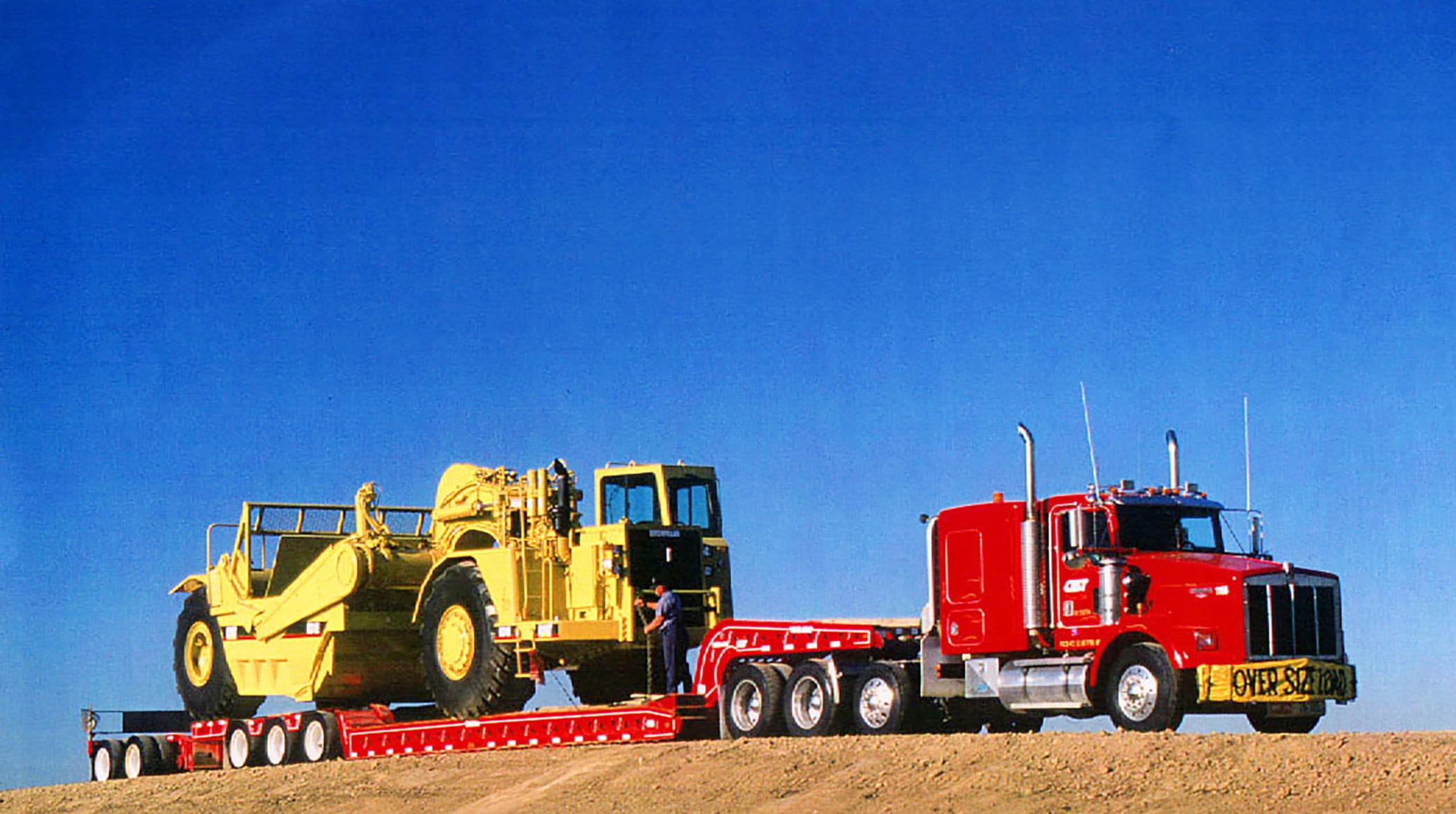
Beyond the Scale: Understanding Heavy Haul Permitting in Colorado
Ember Tucker
0 Comments
Beyond the Scale: Understanding Heavy Haul Permitting in Colorado
The movement of exceptionally large or heavy cargo across state lines or within Colorado presents a unique set of challenges that extend far beyond the capabilities of standard logistics. This specialized domain, known as heavy hauling, is fundamental to numerous industries, from construction and energy to manufacturing. It involves transporting items that exceed conventional weight or dimension limits, making it a critical, yet intricate, aspect of modern infrastructure development and industrial growth. Understanding the specific regulatory landscape, particularly in a state like Colorado, is paramount for successful operations.
Operating an oversized loads transport requires more than just powerful trucks and experienced drivers; it demands meticulous planning and strict adherence to a complex web of state-specific regulations. These rules are designed to ensure public safety, protect road infrastructure, and manage traffic flow effectively. Without proper authorization, even the most robust `trucking company` can face significant delays, hefty fines, and severe safety risks. This makes the permitting process not just a bureaucratic hurdle, but a crucial safety and compliance measure that underpins every successful `freight hauling` operation.
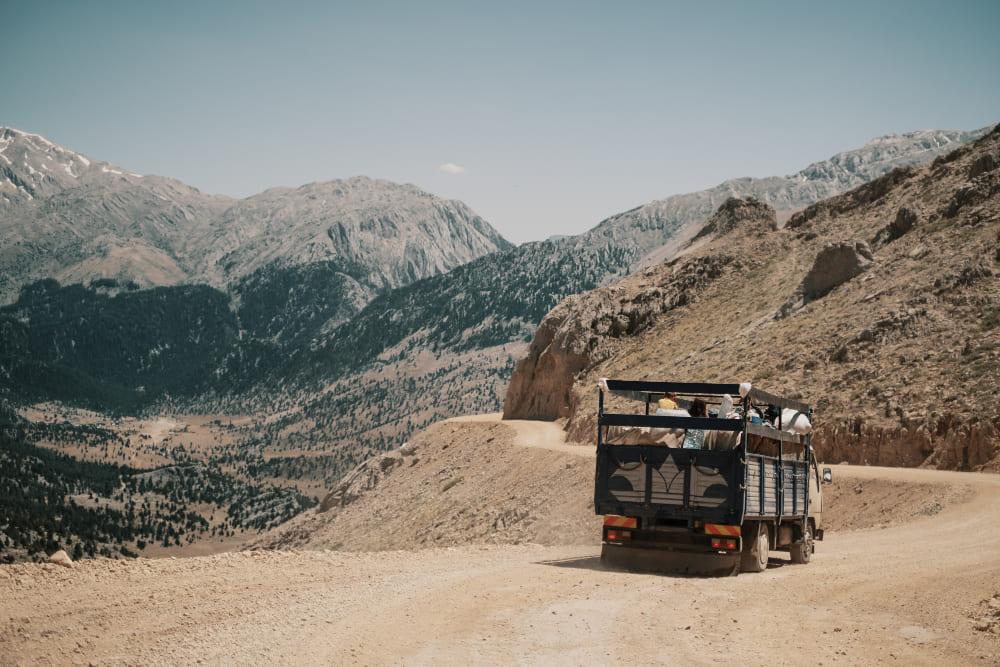
Colorado's diverse topography, ranging from bustling urban centers to challenging mountainous terrains, adds another layer of complexity to `long-distance transport` of specialized cargo. Each route must be carefully assessed for potential obstructions, such as low bridges, narrow underpasses, or steep grades, which might be impassable for certain dimensions or weights. This necessitates a deep understanding of local geography and road networks, combined with an expert ability to interpret and apply specific state regulations to ensure a smooth and compliant journey for `industrial freight`.
The stakes in `heavy hauling` are considerably high. A single misstep in the permitting process can lead to costly disruptions, project delays, and even potential damage to public infrastructure or the cargo itself. Therefore, companies involved in `Colorado transport` of oversized or overweight items must prioritize comprehensive planning and strict compliance. This proactive approach not only mitigates risks but also ensures that critical materials and equipment reach their destinations safely and on schedule, supporting vital economic activities across the state.
For `professional drivers` and logistics planners, navigating the intricacies of Colorado's heavy haul permitting system is an ongoing challenge that demands continuous vigilance and up-to-date knowledge. It’s a field where expertise truly matters, transforming potential obstacles into manageable logistics. Companies like Knight Hauling Services LLC specialize in providing the necessary expertise and resources to handle these complex `logistics hauling` requirements, ensuring that every load is transported legally and efficiently.
The regulatory framework governing `heavy hauling` in Colorado is a dynamic and multifaceted system, primarily managed by the Colorado Department of Transportation (CDOT). Expert opinions frequently highlight that the sheer variability in permit requirements, based on factors such as gross vehicle weight, overall width, height, and length, creates a significant challenge. What might be permissible on one route or for one type of load could be entirely different for another, demanding a deep understanding of CDOT's specific stipulations and an ability to adapt quickly.
One critical aspect that `trucking company` professionals often emphasize is the mandatory requirement for escort vehicles and pilot cars for many `oversized loads`. These escorts are not merely an additional cost; they are a vital safety component, especially on Colorado's winding roads and busy highways. Their role in managing traffic, alerting other drivers, and navigating tight turns is indispensable, ensuring the safety of both the cargo and the general public. The specific number and type of escorts required also vary significantly, adding another layer of complexity to planning.
Effective route planning is consistently cited as perhaps the most crucial element in successful `logistics hauling`. This goes beyond simply identifying the shortest path. It involves detailed route surveys to identify potential hazards like low-clearance bridges, tight turns, road construction, or weight-restricted roads. Many experts argue that this meticulous pre-planning, often involving physical inspections of the route, is what truly differentiates a competent `flatbed services` provider from one that faces constant delays and unforeseen complications.
There's an ongoing dialogue within the industry regarding the balance between facilitating economic activity and ensuring public safety and infrastructure preservation. While carriers advocate for streamlined processes to reduce transport times and costs, regulatory bodies like CDOT prioritize the longevity of state roads and bridges, alongside the safety of motorists. This tension often leads to stringent permit conditions, which, while sometimes perceived as burdensome, are ultimately designed to protect significant public assets and lives.
Ultimately, the consensus among industry leaders is that navigating Colorado's `heavy hauling` permit system requires more than just submitting paperwork. It demands a partnership with a highly experienced and knowledgeable `trucking company` that possesses a comprehensive understanding of state regulations, meticulous planning capabilities, and a team of `professional drivers` adept at executing complex transport operations. This expertise is invaluable in ensuring compliance, efficiency, and safety for every specialized load.
The world of `heavy hauling` in Colorado is undeniably complex, governed by stringent regulations designed to protect both infrastructure and public safety. Success in this specialized field hinges on an unwavering commitment to compliance, meticulous planning, and the execution of transport operations with precision and care. It is a testament to the intricate dance between industrial demand and regulatory oversight.
For any entity requiring the transport of `oversized loads` or exceptionally heavy equipment, the importance of engaging with a knowledgeable and experienced `trucking company` cannot be overstated. Such a partnership ensures that all permitting requirements are met, routes are optimized, and potential challenges are proactively addressed, minimizing risks and maximizing efficiency.
In conclusion, while the scale of specialized transport may seem daunting, with the right expertise and a commitment to best practices, even the most challenging `industrial freight` can be moved safely and effectively across Colorado. It's a critical service that keeps industries moving forward, underpinned by careful planning and regulatory adherence.
Leave a Comment
Latest Posts

 Knight Hauling Services LLC
Business Name: Knight Hauling Services LLC
Company Number: 20251533231
Company Type: Domestic Limited Liability Company
Jurisdiction of Formation: Colorado
Our Services
© All Rights Reserved